

The lottery is one of the most widely recognized games of chance in the world. From small community raffles to massive international jackpots, lotteries attract millions with the promise of life-changing rewards. Yet behind the excitement lies a structured system governed by probability, regulation, and responsible play.
This guide explains how lotteries work, the different types available, and what participants should realistically expect.
What Is a Lottery?
A lottery is a game in which players purchase tickets and select numbers or symbols. Winners are determined through a random drawing, with prizes awarded based on matching criteria.
At its core, a lottery relies on three essential elements:
-
Consideration – players pay to participate
-
Chance – outcomes are random and uncontrollable
-
Prize – winners receive monetary or non-monetary rewards
How Lottery Systems Work
Lottery systems are designed to ensure fairness, randomness, and transparency.
Key Components of a Lottery
-
Ticket purchase through authorized sellers or digital platforms
-
Number selection, either chosen manually or generated automatically
-
Random drawing using mechanical machines or certified software
-
Prize distribution based on predefined rules
Most modern lotteries are audited and monitored to maintain public trust.
Types of Lottery Games
Lotteries come in several formats, each offering different odds and prize structures.
Draw-Based Lotteries
Players select a set of numbers and wait for a scheduled draw.
-
National and regional lotteries
-
Multi-state or international jackpot games
-
Fixed draw schedules (weekly or biweekly)
Instant Win Lotteries
These offer immediate results.
-
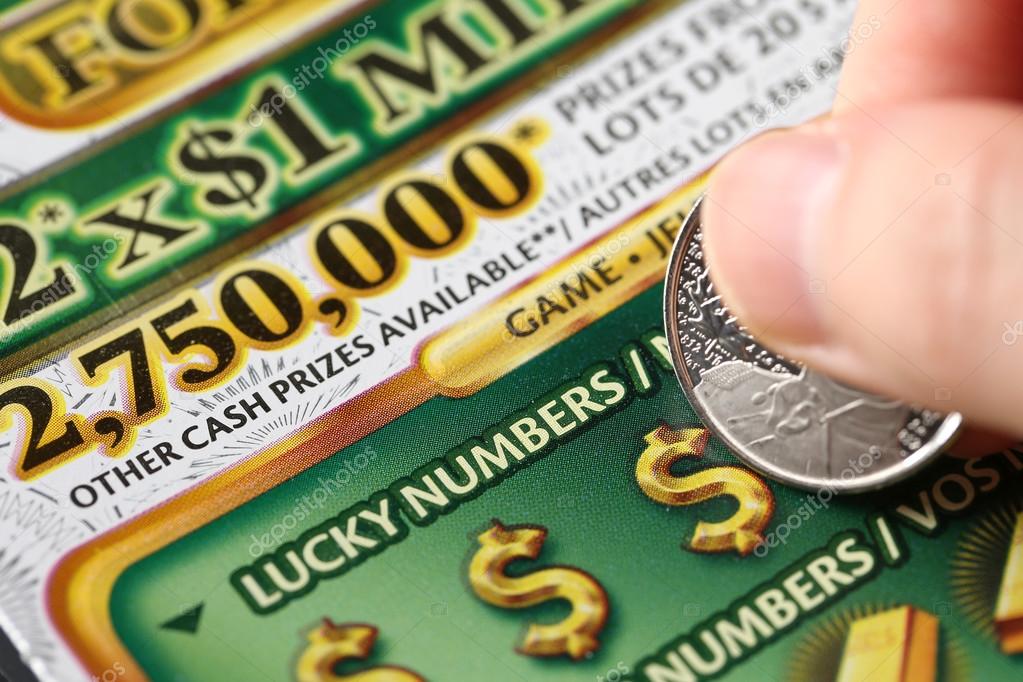
Scratch cards
-
Digital instant games
-
Pre-determined prize distribution
Raffles and Special Draws
Often used for fundraising or limited promotions.
-
Sequentially numbered tickets
-
Fixed prize pool
-
Lower ticket volume than national lotteries
Understanding Lottery Odds
One of the most misunderstood aspects of the lottery is probability.
-
Odds are determined by the number of possible number combinations
-
Larger jackpots usually mean lower chances of winning
-
Smaller games often provide better odds but lower payouts
While winning is possible, it is statistically rare, especially for top-tier prizes.
Where Lottery Money Goes
Lottery revenue is typically allocated across multiple areas:
-
Prize payouts to winners
-
Administrative costs for operations and security
-
Public funding, such as education, infrastructure, or social programs
In many regions, lotteries play a significant role in funding public initiatives.
Legal and Ethical Considerations
Lottery participation is regulated by law and varies by location.
-
Minimum age requirements apply
-
Tickets must be purchased from licensed operators
-
Cross-border participation may be restricted
Ethically, lotteries raise discussions about affordability and responsible play, making education and safeguards essential.
Responsible Lottery Participation
Playing the lottery should always remain a form of entertainment.
Best practices include:
-
Setting a strict spending limit
-
Avoiding reliance on lottery winnings for financial planning
-
Understanding the odds before playing
-
Taking breaks if play becomes stressful or compulsive
Responsible participation ensures enjoyment without financial harm.
Common Myths About the Lottery
Several misconceptions persist among players:
-
“Some numbers are luckier than others” – all combinations have equal probability
-
“Past results affect future draws” – each draw is independent
-
“Buying more tickets guarantees a win” – odds improve slightly but remain extremely low
Understanding these myths helps players make informed decisions.
Frequently Asked Questions (FAQ)
1. Can lottery numbers be predicted using patterns?
No. Lottery draws are random, and past results do not influence future outcomes.
2. Are online lottery tickets as valid as physical ones?
Yes, when purchased through authorized and licensed platforms.
3. What happens if a lottery jackpot is not won?
The prize typically rolls over to the next draw, increasing the jackpot amount.
4. Do lottery winners pay taxes on their winnings?
In many regions, lottery winnings are taxable, though rules vary by jurisdiction.
5. Is it better to take a lump sum or annuity payout?
This depends on personal financial goals, tax considerations, and long-term planning.
6. Can lottery winnings be claimed anonymously?
Some jurisdictions allow anonymity, while others require public disclosure.
7. Why do governments operate lotteries?
They generate revenue for public programs while offering regulated entertainment.