

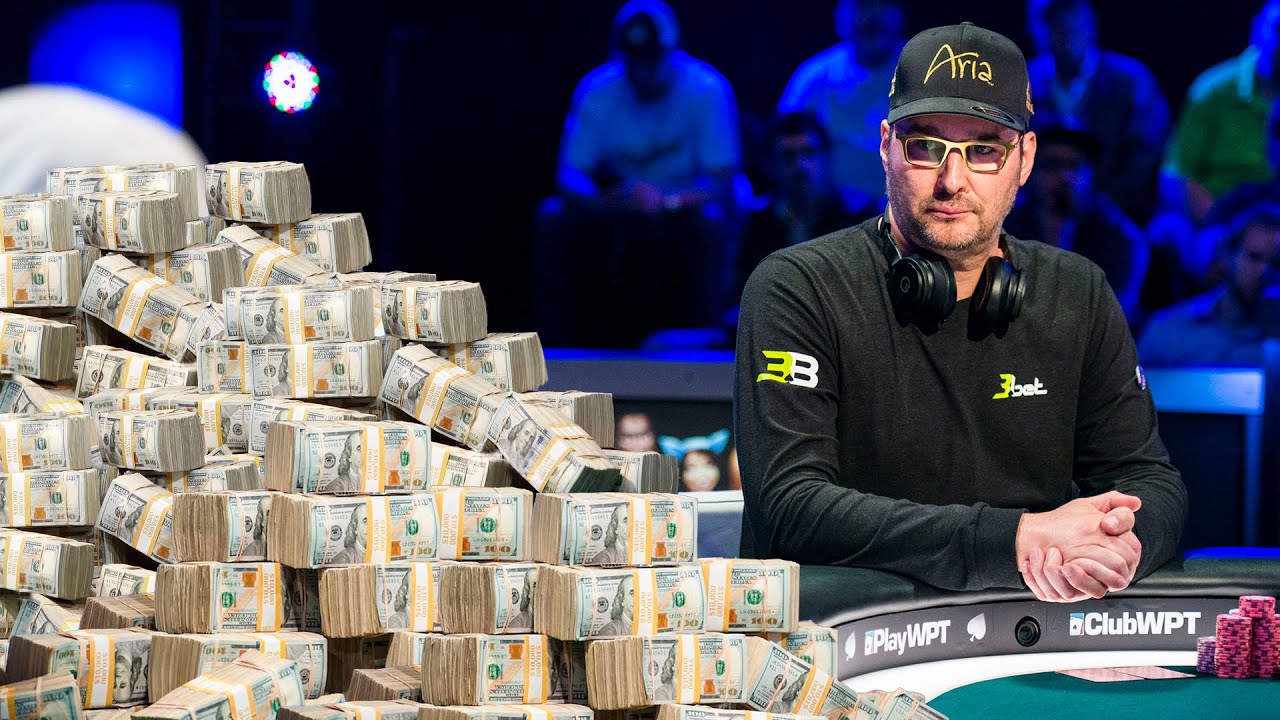
A poker tournament is a competitive format where players pay a fixed buy-in and receive an equal number of chips. Unlike cash games, tournament chips have no direct monetary value. The goal is simple: outlast opponents and finish in the highest-paying positions.
As players are eliminated, prize money is distributed based on finishing order, with the largest rewards reserved for the final table.
How Poker Tournaments Work
Tournaments follow a structured progression.
Key characteristics include:
-
Fixed starting chip stacks
-
Increasing blind levels over time
-
Elimination upon losing all chips
-
Payouts for top finishers only
This structure creates urgency and forces strategic adjustments as the tournament advances.
Common Poker Tournament Formats
Different formats cater to different playing styles and time commitments.
Freezeout Tournaments
The most traditional format.
-
One buy-in only
-
No re-entries
-
Elimination is permanent
Rebuy and Re-Entry Tournaments
Designed for aggressive play.
-
Players may buy more chips early
-
Encourages looser strategies
-
Larger prize pools
Sit & Go Tournaments
Small, fast-paced events.
-
Begin when seats are filled
-
Often single-table
-
Popular for beginners
Multi-Table Tournaments (MTTs)
Large-scale competitions.
-
Hundreds or thousands of players
-
Longer duration
-
Higher variance but bigger rewards
Stages of a Poker Tournament
Each phase demands a different approach.
Early Stage
-
Deep stacks
-
Lower blinds
-
Focus on patience and hand selection
Middle Stage
-
Blinds increase
-
Stack sizes diverge
-
Selective aggression becomes important
Bubble Stage
-
One elimination away from payouts
-
Pressure intensifies
-
Chip leaders exploit shorter stacks
Late Stage and Final Table
-
High-stakes decisions
-
ICM considerations matter
-
Survival and laddering up become crucial
Understanding these stages separates consistent performers from casual players.
Tournament Strategy Essentials
Tournament poker differs significantly from cash games.
Stack Size Awareness
Stack depth dictates strategy.
-
Short stacks require aggression
-
Deep stacks allow creativity
Blind Pressure
Blinds are unavoidable.
-
Inaction leads to elimination
-
Timely steals protect your stack
Risk Management
Survival has value.
-
Avoid marginal spots near payouts
-
Choose battles carefully
Adjusting to Opponents
Player tendencies evolve.
-
Tight players protect payouts
-
Aggressive players push advantages
Flexibility is essential in tournament environments.
The Role of Psychology in Tournaments
Mental endurance is a critical skill.
Successful tournament players display:
-
Patience during long sessions
-
Emotional control after bad beats
-
Confidence in high-pressure moments
Fatigue and frustration often cause costly mistakes late in events.
Online vs Live Poker Tournaments
Both formats offer unique challenges.
Online Tournaments
-
Faster blind levels
-
Larger player pools
-
Less physical information
Live Tournaments
-
Slower pace
-
Physical tells matter
-
Greater emphasis on table presence
Many players practice online before transitioning to live tournament play.
Why Poker Tournaments Remain Popular
Tournaments attract players because of:
-
Defined risk with fixed buy-ins
-
Opportunity for large payouts
-
Competitive atmosphere
They offer a clear path from amateur participation to professional recognition.
Responsible Tournament Play
Long tournaments demand discipline.
Healthy practices include:
-
Taking breaks when possible
-
Managing expectations
-
Playing within a sustainable bankroll
Responsible habits ensure longevity and enjoyment.
Frequently Asked Questions (FAQ)
How long do poker tournaments usually last?
They can range from under an hour to multiple days, depending on size and structure.
Are poker tournaments harder than cash games?
They are different; tournaments require adaptability and survival-focused strategy.
What is the bubble in a poker tournament?
It is the stage just before players reach paid positions.
Can beginners play poker tournaments?
Yes, especially low-stakes or Sit & Go tournaments.
Do professional players prefer tournaments or cash games?
Preferences vary; many play both depending on goals and schedule.
What is ICM in poker tournaments?
ICM evaluates chip value relative to payout structure and remaining players.
Is luck more important in tournaments?
Short-term luck matters, but consistent success still depends on skill.